

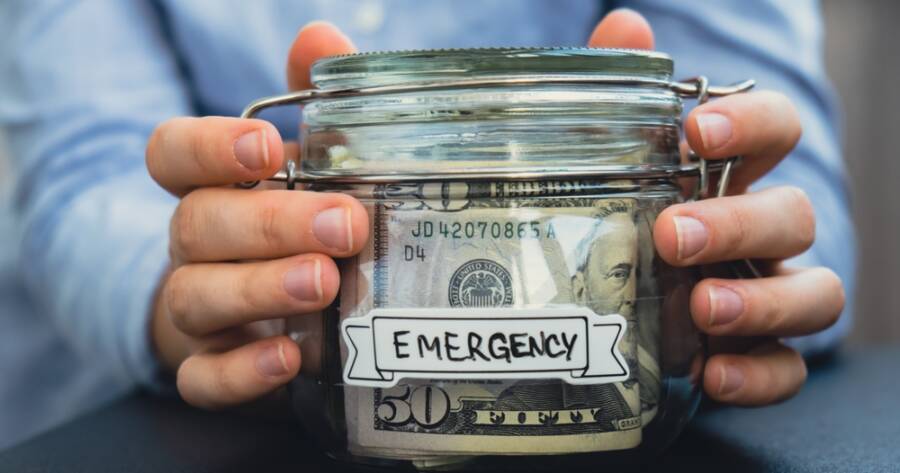
Unexpected expenses can appear at any time, from sudden medical bills to car repairs or job interruptions. Without savings set aside, even a minor financial surprise can quickly create stress. An emergency fund acts as a financial cushion that helps protect everyday stability during difficult moments. Building one may seem intimidating at first, especially when starting with little or nothing saved. With steady habits and realistic goals, creating that safety net becomes a manageable and empowering financial step.
Understanding What an Emergency Fund Is
An emergency fund is a pool of money set aside specifically for unexpected financial situations. It is not intended for planned expenses like vacations, holiday shopping, or home upgrades. Instead, it exists to cover urgent needs such as medical bills, sudden job loss, car repairs, or emergency travel.
Having dedicated savings for emergencies reduces the need to rely on credit cards or loans during stressful situations. Debt taken on during emergencies often leads to long-term financial strain. An emergency fund provides breathing room, allowing people to handle challenges without immediately disrupting their overall financial plan.
Why Emergency Savings Matter So Much
Financial emergencies rarely arrive with warning. A sudden expense can throw an entire monthly budget off track. Without savings available, people may need to borrow money, delay essential payments, or rely on high-interest credit.
An emergency fund provides stability during uncertain times. Knowing that money is available for unexpected situations can also reduce anxiety around finances. This sense of security allows individuals to focus on solving problems rather than worrying about how to pay for them.
Determine a Realistic Savings Goal
Financial experts often recommend saving three to six months’ worth of living expenses in an emergency fund. This amount can cover essential costs such as housing, groceries, utilities, transportation, and insurance during periods of financial disruption.
For someone starting from scratch, that goal may feel overwhelming. Instead of focusing on the full amount immediately, beginning with smaller milestones can make the process easier. A first goal might be saving $500 or $1,000, which can already help cover many common unexpected expenses.
Start Small and Build Momentum
Starting with manageable contributions can help build a consistent saving habit. Even setting aside a small amount each week or month can gradually grow into meaningful savings over time. Consistency often matters more than the size of individual deposits.
Automatic transfers can make saving easier. Scheduling a recurring transfer from checking to savings shortly after each paycheck helps remove the temptation to spend the money first. Over time, those small deposits begin to accumulate and build financial confidence.
Look for Opportunities to Free Up Cash
Building an emergency fund sometimes requires finding extra money within an existing budget. Reviewing recent spending can reveal areas where adjustments are possible. Dining out, unused subscriptions, or impulse purchases often create opportunities for savings.
Temporary spending reductions can help accelerate the process. Redirecting tax refunds, work bonuses, or extra income toward emergency savings can also provide a helpful boost. Even occasional contributions from unexpected sources help move the fund closer to its goal.
Keep Your Emergency Fund Accessible but Separate
Emergency savings should be easy to access when needed but stored separately from everyday spending money. Many people choose a high-yield savings account for this purpose. Keeping the funds in a separate account reduces the temptation to spend them unnecessarily.
Accessibility matters during true emergencies. The account should allow quick withdrawals without penalties or delays. At the same time, placing the money in a dedicated savings account helps preserve the purpose of the fund and protects it from everyday spending habits.
Building Financial Security One Step at a Time
Creating an emergency fund takes patience and consistency, especially when beginning from zero. Small contributions made regularly can grow into a reliable safety net that protects financial stability during difficult moments. Each deposit strengthens financial resilience and reduces the likelihood of relying on credit cards or loans during unexpected situations. Over time, even modest savings habits can transform into a meaningful cushion that supports everyday peace of mind.
Progress may feel slow in the beginning, but steady effort builds lasting results. Reaching early milestones often makes the process more motivating and encourages continued saving. With clear goals, thoughtful budgeting, and consistent contributions, an emergency fund gradually becomes a powerful financial tool. That growing safety net not only protects against unexpected expenses but also creates confidence when navigating future financial decisions.