

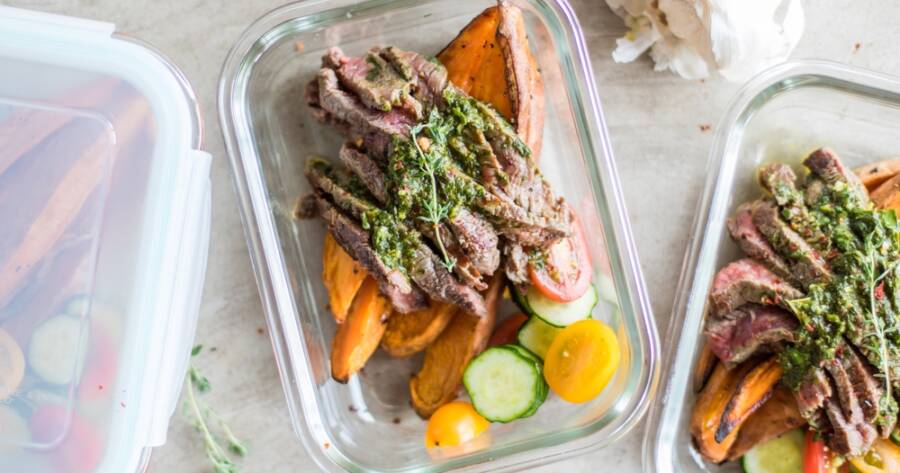
Busy schedules often push healthy eating to the bottom of the priority list. When time feels limited, takeout and convenience foods become tempting defaults. A simple weekly meal prep routine can change that pattern, making balanced meals easier to access and less stressful to prepare. With a little planning and a few reliable tools, nutritious food becomes a steady part of the week rather than a daily scramble.
Understand the Different Types of Meal Prep
Meal prep can look different depending on your lifestyle and preferences. Freezer meals are one option, allowing you to prepare dishes like soups, casseroles, or marinated proteins in advance and store them for later use. This approach works well for busy weeks when cooking from scratch feels unrealistic.
Another method involves batch cooking components separately. Preparing a large portion of protein, roasting vegetables, and cooking whole grains allows you to mix and match meals throughout the week. Some people prefer assembling individual grab-and-go breakfasts or lunches in containers, creating complete meals that only require reheating. Choosing a method that fits your routine makes consistency more likely.
Choose Meals With Intention
A successful routine begins with selecting meals that align with your goals and schedule. Consider how many breakfasts, lunches, and dinners you realistically need to prepare. Factor in social plans or nights when leftovers may suffice.
Balance matters when choosing recipes. Aim to include lean proteins, fiber-rich carbohydrates, healthy fats, and colorful vegetables. Repeating a few core ingredients across multiple dishes can reduce food waste and simplify grocery shopping. Planning with intention minimizes decision fatigue during the week and keeps nutrition on track.
Write It Down and Designate a Prep Day
Having a written plan provides clarity and structure. Listing chosen meals alongside a grocery list prevents forgotten ingredients and unnecessary purchases. Keeping a running list of staple items can streamline future planning.
Selecting a consistent prep day helps establish rhythm. Many people prefer weekends, though any quieter day can work. Setting aside two to three hours to cook and portion food transforms mealtime during the week into a simpler task. Over time, this routine becomes part of the weekly flow rather than an added burden.
Use the Right Tools and Storage
The right equipment can make meal prep more efficient. Large sheet pans allow you to roast multiple ingredients at once, while a slow cooker or pressure cooker simplifies batch cooking. Sharp knives and sturdy cutting boards speed up preparation and reduce frustration.
Reusable containers are equally important. Glass or BPA-free plastic containers with secure lids help keep meals fresh and organized. Divided containers work well for balanced lunches, while airtight jars are ideal for overnight oats or salads. Clear labeling with dates ensures food stays safe and prevents waste.
Focus on Balanced, Flexible Meals
Meal prep should support health without feeling rigid. Preparing a variety of vegetables, whole grains, and proteins allows flexibility in assembling meals. A base of quinoa, roasted vegetables, and grilled chicken can be turned into salads, wraps, or grain bowls depending on preference.
Breakfast options such as egg muffins, yogurt parfaits, or overnight oats offer convenience without sacrificing nutrition. For lunch, pre-portioned salads or hearty soups make midday choices easier. Keeping flavors varied through herbs and spices prevents boredom and supports long-term adherence.
Store Food Safely and Keep It Fresh
Proper storage maintains both quality and safety. Most cooked meals remain fresh in the refrigerator for three to four days. Freezing portions can extend the shelf life and provide backup options for busy evenings.
Remember to allow food to cool before sealing containers to prevent excess moisture buildup. Storing sauces separately can also help maintain texture. Finally, rotating older meals to the front of the fridge ensures they are used first. Safe storage habits protect both health and flavor.
Building a Routine That Works for You
A weekly meal prep routine offers more than convenience. It supports healthier choices, reduces last-minute stress, and often saves money by minimizing impulse purchases. With thoughtful planning, balanced ingredients, and reliable storage tools, nutritious meals become readily available throughout the week.
Consistency matters more than perfection. Starting with a few meals and gradually expanding can make the process feel manageable. Over time, a structured approach to planning and preparation turns healthy eating into a sustainable habit rather than a daily challenge.