

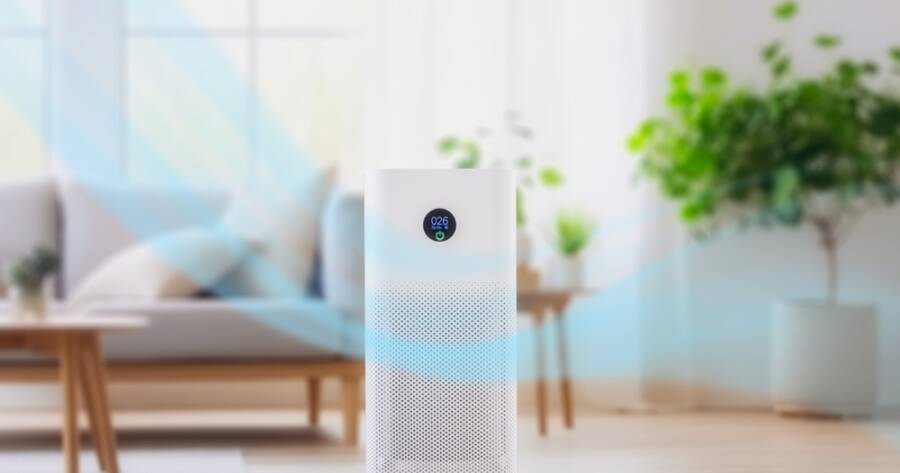
Indoor air often contains more pollutants than many people realize. Dust, pet dander, smoke particles, and lingering odors can circulate long after windows are closed. For households dealing with allergies, pets, or urban pollution, air quality becomes an everyday concern. Air purifiers promise cleaner air and easier breathing, but understanding how they function and whether they justify the investment makes all the difference when deciding if one belongs in your home.
What an Air Purifier Actually Does
An air purifier is a device designed to improve indoor air quality by removing airborne contaminants. It works by pulling air into the unit with a fan, passing it through one or more filters, and releasing cleaner air back into the room. The effectiveness of the device depends on the filter quality, airflow capacity, and overall design.
Most air purifiers target particles that remain suspended in the air. Dust, pollen, pet dander, smoke, mold spores, and some bacteria can be captured while floating. Once particles settle on surfaces, a vacuum or cleaning routine becomes necessary. Air purifiers complement regular cleaning rather than replacing it.
Understanding Different Types of Filters
Mechanical filters are the most common and reliable option. High-Efficiency Particulate Air (HEPA) filters are particularly effective, capturing at least 99.97 percent of particles as small as 0.3 microns. This includes common irritants like pollen, smoke particles, and fine dust. Many reputable air purifiers rely on certified HEPA filtration for particle removal.
Activated carbon filters serve a different purpose. Instead of trapping particles, they absorb odors and certain gases, such as volatile organic compounds from cleaning products or cooking. Some units combine HEPA and carbon filters for broader coverage. Other technologies, including ozone generators and certain ionizers, may produce unwanted byproducts and are generally less recommended for everyday home use.
Who Benefits Most From an Air Purifier
Air purifiers can be especially helpful for people with allergies or asthma. By reducing airborne allergens like pollen and pet dander, they may ease symptoms and improve comfort. Bedrooms are often a practical location, particularly for individuals who sleep with pets or experience nighttime allergy flare-ups.
Homes exposed to wildfire smoke, cigarette smoke, or high outdoor pollution may also benefit from supplemental air filtration. While whole-house HVAC systems include filters, portable room air purifiers can provide targeted support in specific areas where air quality concerns are higher. The added layer of filtration offers peace of mind in certain environments.
How to Choose the Right Size and Performance Level
Selecting the correct unit begins with room size. Many reputable models carry a Clean Air Delivery Rate (CADR) rating, which indicates how quickly the purifier can clean the air in a given space. Higher CADR numbers reflect faster and more efficient performance. Matching the purifier to the square footage of the room ensures optimal results.
It is often wise to choose a unit rated slightly above the room’s size. Running a larger model at lower speeds can reduce noise while still maintaining strong filtration. Considering placement, airflow direction, and open-door configurations also helps maximize effectiveness in daily use.
Consider Ongoing Costs and Maintenance
Air purifiers require regular filter replacements to function properly. Mechanical filters typically need replacement every six to 12 months, while activated carbon filters may require more frequent changes. Replacement costs vary widely, so budgeting for long-term upkeep is essential.
Energy use also matters, especially since purifiers operate continuously for the best results. Energy Star-certified models consume less electricity while maintaining performance. Noise level is another practical factor; a quieter unit is more comfortable in bedrooms or living areas. Balancing upfront price with maintenance expenses helps determine overall value.
Are Air Purifiers Worth the Investment?
For many households, air purifiers offer meaningful benefits. They can reduce airborne irritants, improve perceived air freshness, and provide reassurance in environments affected by allergens, smoke, or pet dander. When matched properly to room size and equipped with true HEPA filtration, performance can be noticeable, especially in bedrooms or frequently used living areas. Consistent operation and timely filter changes are key to maintaining that improvement.
At the same time, expectations should remain realistic. Air purifiers cannot eliminate dust that has already settled or replace routine cleaning and proper ventilation. They function best as a supplemental layer of protection within a broader home maintenance plan. When specific concerns such as allergies, urban pollution, or smoke exposure are present, the investment often feels justified. With careful selection and maintenance, an air purifier can quietly support a cleaner, more comfortable indoor environment day after day.