

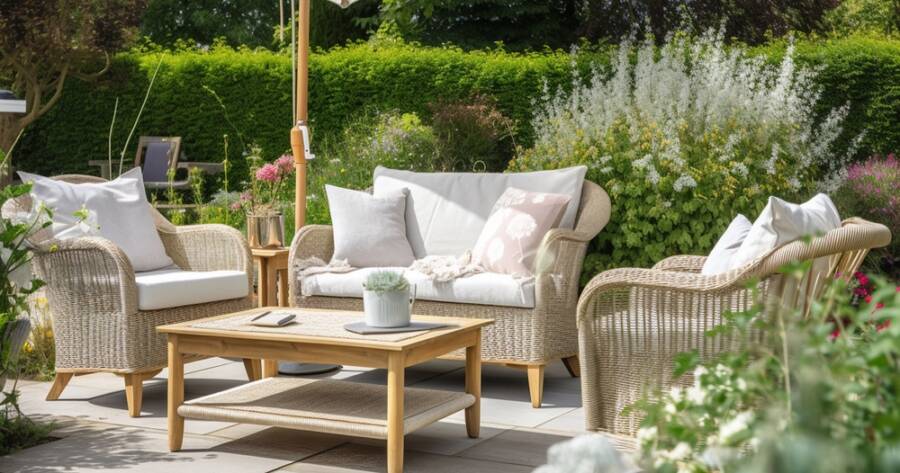
A patio has the potential to become an extension of your home, yet many outdoor spaces end up underused and overlooked. Uncomfortable seating, harsh lighting, or a lack of personality can make even a spacious patio feel uninviting. With thoughtful design choices and a focus on comfort, it’s possible to transform an ordinary backyard area into a welcoming retreat that encourages relaxation, conversation, and quiet moments outdoors.
Start With Comfortable, Functional Seating
Seating sets the tone for how a patio will be used. Hard metal chairs or stiff benches rarely invite long conversations or leisurely evenings outside. Cushioned lounge chairs, deep seating sofas, or supportive dining chairs instantly make the space more welcoming and practical.
Choose weather-resistant fabrics designed to withstand sun and moisture while remaining soft and breathable. Arrange seating in a way that encourages interaction, such as grouping chairs around a coffee table or positioning a sectional to face a focal point. Comfort should always come first, as it determines whether the patio feels like a true living space or just an afterthought.
Define the Space With Zones
A well-designed patio often includes defined areas for different activities. Even in smaller spaces, separating zones for dining, lounging, or quiet reading creates a sense of purpose. An outdoor rug can anchor a seating area, while a dining table naturally defines a spot for meals.
Plan pathways that allow easy movement between zones without crowding furniture. Grouping pieces thoughtfully prevents the layout from feeling scattered or chaotic. Clear zones help the patio function more like an outdoor room, making it feel intentional and inviting rather than randomly arranged.
Layer Lighting for Ambience
Lighting transforms the mood of a patio once the sun sets. Harsh overhead lights can feel uninviting, while layered lighting creates warmth and atmosphere. String lights draped overhead add charm, and lanterns placed around seating areas provide a soft glow.
Solar path lights improve visibility and enhance safety without adding complicated wiring. Candles or battery-operated flameless options introduce a cozy element for evening gatherings. When lighting feels warm and balanced, the patio becomes usable well beyond daylight hours, extending the time spent enjoying the space.
Incorporate Greenery and Natural Elements
Plants bring life and softness to outdoor spaces. Large potted plants, hanging baskets, or small herb containers add dimension and color. Mixing heights and textures creates visual interest while maintaining a cohesive look.
Low-maintenance options such as ornamental grasses, succulents, or hardy perennials reduce upkeep while still delivering impact. Planters in coordinating materials tie the design together. Greenery helps the patio blend seamlessly with the surrounding yard, reinforcing a sense of calm and connection to nature.
Add Personality With Thoughtful Decor
A patio should reflect the style and comfort found indoors. Outdoor throw pillows, blankets, and patterned cushions introduce warmth and character. Weather-resistant fabrics in complementary colors create a cohesive palette that feels curated.
Decorative accents like side tables, ceramic planters, or wall art designed for exterior use enhance personality without overwhelming the space. Keeping decor balanced prevents clutter while still making the patio feel lived in. Personal touches elevate the design from basic to inviting and uniquely yours.
Create a Cozy Focal Point
A focal point anchors the patio and encourages people to gather. Fire tables or portable fire pits provide warmth and a natural gathering spot during cooler evenings. The soft flicker of flames adds comfort and ambiance that draws guests in.
Water features, such as small fountains, introduce a gentle background sound that enhances relaxation. Even a simple statement piece, like a bold outdoor umbrella or a sculptural planter, can serve as a visual anchor. A defined focal point gives the patio structure and makes it feel complete.
A Space That Invites You Outside
Designing a patio that feels welcoming involves more than placing furniture on a slab of concrete. Comfortable seating, layered lighting, greenery, and personal details work together to create an outdoor environment that mirrors the comfort of your home’s interior. When each element serves both function and style, the result feels cohesive and intentional.
Small enhancements can dramatically shift how the space is used. A warm blanket draped over a chair or a softly glowing lantern can encourage longer evenings outdoors. With thoughtful planning and attention to comfort, a patio becomes more than just an exterior feature. It transforms into a favorite place to unwind, connect, and enjoy the fresh air.