

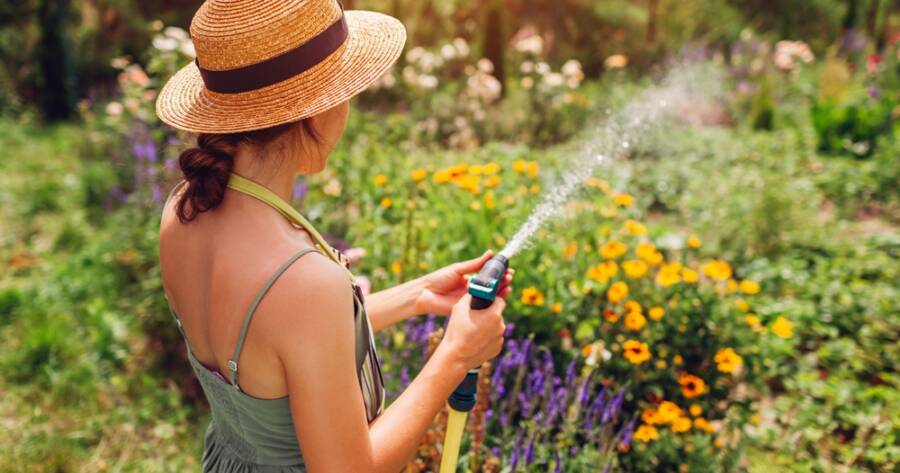
Hot weather and long dry stretches can quickly turn a thriving garden into a struggling one. Leaves wilt, soil dries out, and plants begin to show signs of stress faster than expected. Maintaining a healthy garden during challenging conditions requires a thoughtful approach rather than constant effort. With a few smart adjustments and consistent care, plants can stay strong, hydrated, and thrive even when temperatures rise, and rainfall becomes scarce.
Understand How Heat Affects Your Plants
High temperatures place significant stress on plants, especially when combined with limited moisture. Heat speeds up evaporation, causing soil to dry out faster and roots to struggle to access water. Plants may respond by wilting, slowing growth, or dropping leaves to conserve energy.
Understanding plant signals can make a big difference. Wilting during the hottest part of the day can be normal, but continued drooping in the evening signals dehydration. Paying attention to leaf color, texture, and growth patterns helps determine when plants need intervention. Recognizing early warning signs allows for quicker action and prevents long-term damage.
Water Deeply and Strategically
Frequent shallow watering often does more harm than good during hot weather. It encourages roots to stay near the surface, where moisture disappears quickly. Deep watering helps roots grow deeper into the soil, making plants more resilient during dry periods.
Early morning watering is ideal because it reduces evaporation and gives plants time to absorb moisture before heat peaks. Using a slow, steady flow allows water to reach deeper layers of soil. Focusing on the base of plants rather than leaves also minimizes water loss and helps prevent disease.
Use Mulch to Lock in Moisture
Mulch acts as a protective layer that helps soil retain moisture and stay cooler. Organic materials such as wood chips, straw, or compost create a barrier that reduces evaporation and shields roots from extreme heat.
Applying a layer of mulch around plants also helps suppress weeds, which compete for water and nutrients. Over time, organic mulch breaks down and improves soil quality. Keeping mulch a few inches thick can significantly reduce watering needs while supporting healthier plant growth.
Choose Drought-Resistant Plants
Not all plants handle heat and dry conditions equally. Some varieties are naturally more tolerant and require less water to thrive. Incorporating drought-resistant plants into a garden can reduce maintenance and improve overall resilience.
Native plants are often well-suited to local conditions and tend to adapt better to seasonal changes. Succulents, herbs like rosemary and thyme, and certain perennials can handle extended dry periods. Choosing the right mix of plants creates a garden that remains vibrant even during challenging weather.
Provide Shade During Peak Heat
Direct sunlight can be overwhelming during the hottest parts of the day. Providing temporary shade can help reduce stress and prevent damage to sensitive plants. Simple solutions such as shade cloth, garden fabric, or even strategically placed umbrellas can make a noticeable difference.
Positioning taller plants to protect smaller ones can also create natural shade. Moving containers to shaded areas during peak heat hours helps prevent the soil from drying out too quickly. Small adjustments in light exposure can extend plant health and improve overall garden performance.
Improve Soil for Better Water Retention
Healthy soil plays a major role in how well a garden handles heat and drought. Soil rich in organic matter holds moisture more effectively and supports stronger root systems. Adding compost regularly improves structure and increases the soil’s ability to retain water.
Loosening compacted soil allows water to penetrate more deeply rather than running off the surface. Over time, consistent soil care leads to better drainage and moisture balance. Strong, well-conditioned soil creates a foundation that helps plants survive even during prolonged dry spells.
Group Plants Based on Water Needs
Grouping plants with similar water requirements can make a big difference during hot and dry conditions. When plants with high water needs are placed together, it becomes easier to water efficiently without over- or under-watering nearby plants.
This approach, often called hydrozoning, helps conserve water and reduce waste. Drought-tolerant plants can thrive with less frequent watering, while more delicate plants receive the extra care they need. Organizing a garden in this way simplifies maintenance and helps create a more balanced, sustainable growing environment during challenging weather.
Keep Your Garden Thriving Through the Heat
A thriving garden during hot weather comes down to preparation, observation, and consistency. Small changes like watering more effectively, adding mulch, and choosing resilient plants can transform how a garden responds to stress.
With the right approach, even challenging conditions can be managed with confidence. Paying attention to plant needs and making gradual improvements creates a more sustainable and enjoyable gardening experience, allowing outdoor spaces to stay lush and inviting throughout the hottest months.