

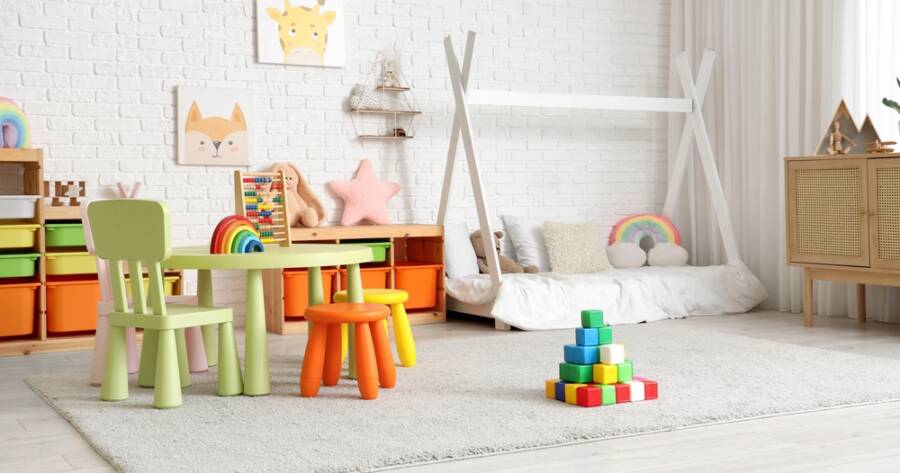
Toys have a way of spreading into every corner of a home. One minute, the living room feels calm, and the next, it looks like a playroom exploded. When pieces go missing, and clean-up feels endless, frustration can build quickly. With a thoughtful system and a bit of consistency, toy organization can feel manageable instead of overwhelming, creating a space where kids can play freely without leaving chaos behind.
Start With a Toy Declutter Reset
Before organizing anything, reduce the volume. Pull out every toy from closets, bins, and under furniture to see exactly what is in circulation. Broken items, incomplete sets, and toys that are no longer age-appropriate can be discarded or donated, instantly lightening the load.
Involving children in the decision-making process builds ownership and helps them understand limits. Ask which toys are favorites and which no longer get used. Fewer toys make organization simpler and clean-up faster. Regular decluttering every few months prevents buildup and keeps the collection manageable over time.
Create Clear Play Zones
Designating specific play areas helps contain mess and gives structure to the room. A reading corner with a small bookshelf, a building zone with blocks and construction sets, and a craft station with art supplies encourage focused play rather than scattering everything across the floor.
Zones do not require large spaces. A simple rug can define an area for imaginative play, while a low table can serve as a puzzle or drawing station. When toys have a designated “home base,” children are more likely to return them to the correct spot, reducing daily clutter.
Use Smart, Visible Storage Solutions
Storage works best when it is easy to see and easy to use. Clear bins allow children to identify contents without dumping everything out. Labels with words or pictures further simplify the process, especially for younger kids who may not yet read fluently.
Open shelving paired with baskets strikes a balance between access and tidiness. Large items like stuffed animals can live in woven baskets, while smaller pieces such as action figures or building bricks fit neatly into divided containers. When storage is intuitive, clean-up becomes less of a battle and more of a routine habit.
Rotate Toys to Prevent Overload
Too many options at once can overwhelm children and contribute to bigger messes. Rotating toys keeps play fresh while limiting the number available at any given time. Store a portion of the collection in bins or closets and swap them out every few weeks.
Rotation encourages deeper engagement with fewer items. Children often rediscover interest in toys that have been out of sight, extending their lifespan. With less clutter in active spaces, rooms stay tidier, and cleanup takes far less effort at the end of the day.
Make Clean-Up Part of the Routine
Consistency is key to maintaining order. A quick tidy-up before bedtime or before dinner can prevent mess from snowballing. Setting a timer for five or ten minutes turns clean-up into a manageable task rather than a drawn-out chore.
Clear expectations help reinforce the habit. Encourage children to return toys to their assigned bins before moving on to another activity. Over time, this rhythm becomes second nature. Small daily efforts eliminate the need for large, overwhelming clean-up sessions later on.
Choose Furniture That Works Harder
Multifunctional furniture can make toy organization far more efficient. Storage ottomans, benches with hidden compartments, and coffee tables with drawers provide concealed space without sacrificing style. In shared living areas, this approach keeps toys accessible while preserving a polished look.
Low cubby systems are particularly effective in playrooms or bedrooms. They allow kids to reach items independently and promote responsibility. When furniture supports organization, maintaining a tidy environment feels more achievable and less like a constant struggle.
A Home Where Play and Order Coexist
Organizing toys is less about perfection and more about creating sustainable systems. Decluttering regularly, defining zones, rotating items, and using visible storage all work together to reduce chaos. With fewer toys and clearer boundaries, rooms feel calmer and more functional.
Over time, consistent routines reinforce good habits. Children learn where items belong and gain confidence in managing their own belongings. A balanced approach allows creativity and imagination to thrive while keeping the household running smoothly, proving that play and order can exist side by side.