

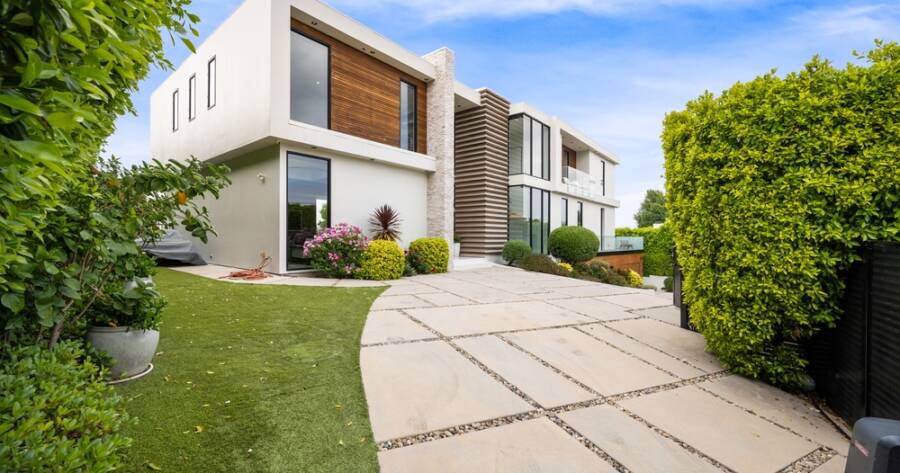
A beautiful garden doesn’t have to demand every spare weekend. With thoughtful planning and smart plant choices, outdoor spaces can look lush and inviting without the constant upkeep. Many homeowners want greenery and color but struggle to keep up with watering, pruning, and weeding. A few strategic decisions can reduce maintenance while still creating a yard that feels intentional, polished, and enjoyable throughout the seasons.
Embrace Hardscaping for Structure and Simplicity
Hardscaping provides a strong foundation for a low-maintenance garden. Patios, gravel pathways, stone borders, and decorative rock beds reduce the amount of lawn and planting areas that require ongoing care. By incorporating more durable surfaces, homeowners can create visual interest while minimizing mowing and watering needs.
Defined edges also help contain plants and prevent grass from creeping into flower beds. Pavers or stone edging add clean lines that make the entire landscape feel organized. Hardscaping elements offer year-round structure, ensuring the yard looks tidy even when plants are dormant or between bloom cycles.
Use Ground Cover to Replace High-Maintenance Lawn
Traditional lawns require frequent mowing, fertilizing, and watering. Replacing portions of grass with ground cover can significantly cut back on upkeep. Options like creeping thyme, clover, sedum, or ornamental grasses provide texture and greenery without constant trimming.
Ground cover plants help suppress weeds by filling in open spaces, reducing the need for regular pulling or chemical treatments. Many varieties are drought-tolerant and thrive with minimal intervention once established. Swapping even small sections of lawn for hardy ground cover creates a more relaxed landscape that still feels lush and inviting.
Add Mulch to Conserve Water and Reduce Weeds
Mulch is one of the simplest tools for lowering garden maintenance. A generous layer of organic mulch around plants and flower beds helps retain soil moisture, reducing how often watering is necessary. It also moderates soil temperature, protecting roots from extreme heat or cold.
Beyond moisture control, mulch acts as a natural barrier against weeds. Fewer weeds mean less time spent pulling and tidying beds. Choose bark, wood chips, or shredded leaves for a cohesive look that complements the surrounding landscape. Refreshing mulch once or twice a year keeps garden beds looking neat and well cared for.
Install an Automated Irrigation or Drip System
Watering can quickly become one of the most time-consuming garden tasks. An automated irrigation system removes much of the guesswork and ensures plants receive consistent moisture. Timers allow watering to occur during optimal hours, such as early morning, when evaporation is lower.
Drip irrigation is especially efficient, delivering water directly to plant roots instead of spraying large areas. This targeted approach reduces waste and discourages weed growth. While installation requires some initial effort, the long-term convenience and water savings make automated systems a practical investment for busy homeowners.
Choose Plants That Thrive With Minimal Care
Plant selection plays a major role in how much attention a garden requires. Native plants are often the best choice because they are adapted to local climate conditions and soil types. Once established, they typically need less watering and fertilizing than non-native varieties.
Perennials that return each year reduce the need for replanting. Look for hardy shrubs, ornamental grasses, lavender, hostas, and drought-tolerant succulents, depending on your region. Group plants with similar water and sunlight needs together to simplify care. A well-planned plant palette ensures beauty without constant maintenance.
Simplify Garden Design for Long-Term Ease
A clean, simple layout is easier to maintain than a crowded, intricate one. Limiting the number of plant varieties reduces complexity and creates a more cohesive look. Repeating certain plants throughout the yard builds visual harmony while making care routines straightforward.
Raised beds or large planters can also help control growth and reduce bending and kneeling during maintenance. Clear pathways provide easy access for trimming or watering when needed. By focusing on simplicity and thoughtful placement, the garden remains manageable and attractive without requiring excessive time or effort.
A Garden That Works With Your Schedule
Low-maintenance landscaping is about working smarter rather than sacrificing beauty. Hardscaping, ground cover, mulch, and automated watering systems reduce repetitive tasks while preserving a polished appearance. Thoughtful plant choices further support a garden that flourishes with minimal intervention.
Over time, small adjustments lead to significant time savings. A yard designed with intention allows homeowners to spend more hours enjoying the space instead of constantly maintaining it. With the right balance of structure and greenery, an outdoor area can feel vibrant, welcoming, and refreshingly easy to care for.