

Many store-bought cleaners promise powerful results, yet often come with strong fumes and long ingredient lists. Vinegar offers a simpler alternative that has been used for generations. Made from acetic acid, it cuts through grease, dissolves mineral buildup, and neutralizes odors with surprising effectiveness. When used correctly, the pantry staple can handle a wide range of household tasks while remaining affordable, accessible, and more environmentally friendly than many commercial products.
Why Vinegar Works as a Cleaner
Vinegar’s cleaning power comes from acetic acid, a compound that gives it its sharp scent and sour taste. This mild acid is strong enough to break down grease, dissolve mineral deposits, and loosen grime without the need for harsh chemicals. Its acidic nature also allows it to kill many types of bacteria, making it useful for general household sanitation.
White distilled vinegar is typically the best choice for cleaning because it is clear and contains about five percent acidity. That level is similar to many multipurpose cleaners. Apple cider vinegar has similar properties but may leave a slight tint, so dilution is important when using darker varieties on light surfaces.
Surfaces Vinegar Cleans Well
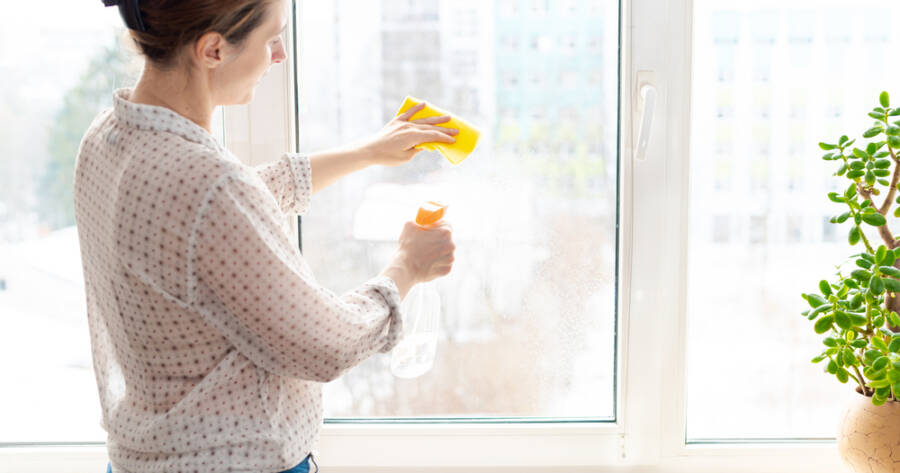
Vinegar performs especially well on glass and mirrors. Mixed with water, it can create a streak-free shine while cutting through fingerprints and smudges. It also works effectively on chrome fixtures, faucets, and showerheads, where it helps dissolve calcium buildup caused by hard water.
Laminate countertops, ceramic tile, and no-wax linoleum floors are also suitable surfaces. In bathrooms, vinegar helps break down soap scum and mildew when sprayed and left to sit briefly before scrubbing. Appliances such as microwaves, dishwashers, and coffee makers benefit from occasional vinegar treatments to reduce odors and mineral deposits.
Using Vinegar in the Kitchen and Bathroom
In the kitchen, vinegar can degrease stovetops, refresh garbage disposals, and deodorize trash cans. A simple mixture of water and vinegar sprayed onto surfaces helps remove food residue and lingering smells. For stubborn buildup inside microwaves, heating a bowl of vinegar and water loosens grime for easy wiping.
Bathrooms are another strong area for vinegar use. Pouring vinegar into a toilet bowl and letting it sit can help reduce stains and odors. Spraying shower walls with undiluted vinegar softens soap scum, making it easier to scrub away. When paired with baking soda, it forms a fizzing reaction that assists with lifting grime.
Where Vinegar Should Not Be Used
Despite its versatility, vinegar is not suitable for every surface. Natural stone such as granite, marble, travertine, and slate can become dull or damaged from repeated exposure to acid. Hardwood floors and unfinished wood furniture may also suffer from finish breakdown over time.
Certain metals, including cast iron and aluminum, can corrode when exposed to vinegar. Electronics and tech screens should never be cleaned with acidic solutions. It is also important never to mix vinegar with bleach, ammonia, or hydrogen peroxide, as harmful fumes can result. Understanding limitations prevents accidental damage.
Tips for Safe and Effective Use
Dilution is often key to safe cleaning. A common ratio is one part vinegar to one or two parts water, depending on the task. For heavy mineral buildup, vinegar may be used undiluted for short periods, but it should not sit indefinitely on surfaces unless recommended.
The strong scent typically fades within an hour, but adding a few drops of essential oil can soften the smell. Opening windows helps air circulate more quickly. Using a microfiber cloth rather than abrasive pads protects finishes while ensuring surfaces are wiped clean after application.
A Practical Staple With Smart Boundaries
Vinegar remains one of the most reliable multipurpose cleaners available, offering impressive results at a low cost. It handles glass, tile, appliances, and many bathroom fixtures with ease, reducing reliance on specialized products. When diluted properly and used on appropriate materials, it provides an effective and eco-conscious alternative to many commercial cleaners.
At the same time, awareness of its limitations is essential. Acidic properties that make vinegar powerful can also cause damage if misused. Natural stone, delicate finishes, certain metals, and electronic surfaces require gentler care. Thoughtful application ensures surfaces stay protected while still benefiting from vinegar’s cleaning strength. Used wisely, it simplifies routines, cuts down on chemical exposure, and proves that effective home care does not have to be complicated or expensive.